2025 has been a slight rebranding year for me as I switched from Wilson Career Readiness to Wilson Career Pathway (WCPC). The term pathway makes more sense because it reflects my mission to combine industry projects with educational programs. Within that transition, I decided to narrow down my focus to align with following strengths: Designing career pathway projects through partnerships with innovative industries that solve societal problems; Serving as a liaison between industry and educational leaderships; Navigating through political processes, resources, and partnerships.
My inspiration to this journey rooted from my last project – partnered with a company called ARIS Wind to design learning tool materials using their off-grid, hybrid Smart Pole that generates streetlights. These learning tool materials were incorporated into lesson plans in 4 NJ school districts for K-12 students during 2023-24 school year. The goal was the following: introducing students how to use an off-grid, hybrid smart pole to solve climate change issues, promoting security for their communities, and considering careers that could potentially take these types of innovations to the next level.

Dating back to my time as a workforce development professional for several NJ community colleges; I have volunteered on several revitalization projects, such as expanding tourism attractions, recruiting businesses to get involved in community projects, and innovating environmental projects that protect impacted communities. I have witnessed how art-business districts transitioned struggling cities into an economic powerhouse. Above all, I have been investigating how local educational programs should develop and fund programs that will provide the next generation with the skills that will advance these types of initiatives.


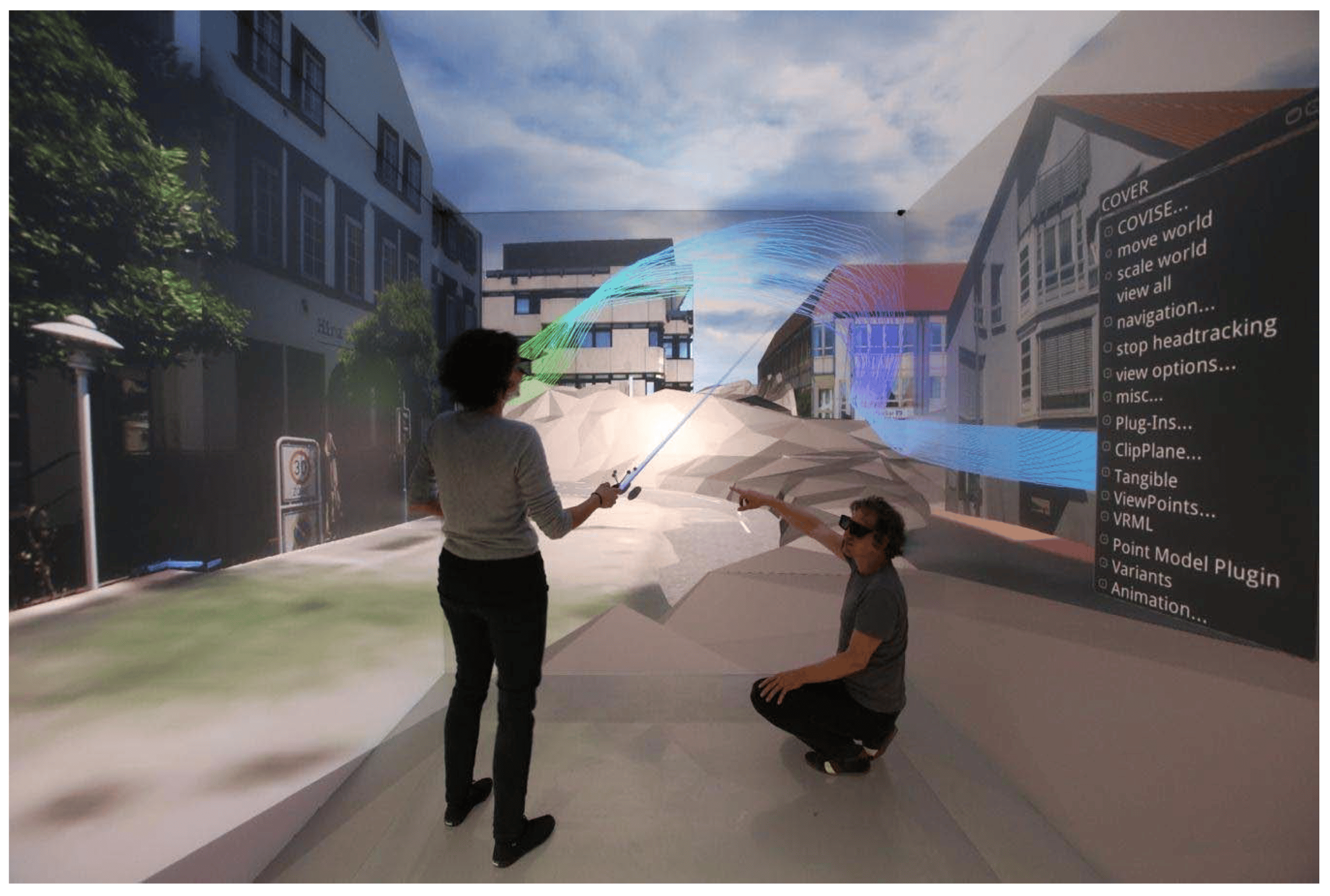
To add complexity to WCPC, I chose to work with the type of industries that would require actions from political and bureaucratic leaders to implement such projects. These policy leaders must carefully make decisions on whether these projects will benefit their constituents, not cause any financial hardships, and align with their laws. First and foremost, these constituents should be invited to these conversations, since they will not only be impacted by these innovations but are usually responsible for property taxes that pay for K-12 school curriculum. Due to potential concerns, my first target funding sources start with grants that could potentially alleviate constituents from any financial responsibilities. Thanks to my experiences serving in political entities and community programs. I have the ability to guide my career pathway partners through these application and funding processes.
Funny story, the reason why I loved watching Holiday Hallmark movies; Because many of these characters worked in political entities that could either divide or unite communities in time for the Holiday season. (Town Planners, Architects, Parade organizers, Developers, etc). Now my secret is out!


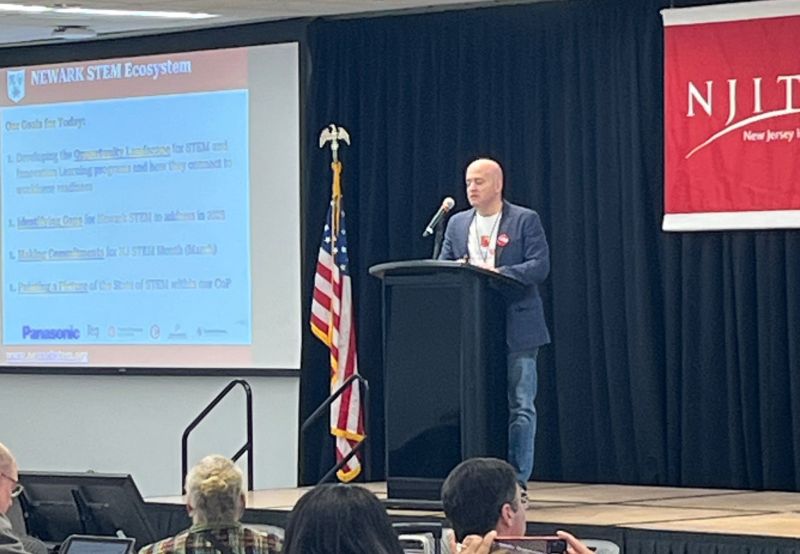
I attended a Newark STEM Ecosystem event where educational and industry leaders were brainstorming how to expand curriculum and resources that will produce the next generation of STEM innovators in the workforce. Not only was I grateful that I attended (The event played a song from Grease during break. I saw that as a sign that my mom was there with me). I was able to build some great networks that could potentially partner with me on my initiatives. Discussions included the following: How to use GIS in locating career pathway resources and the role that Legos play in training students to develop engineering skills. This Ecosystem event was very successful, and l look forward to attending any future events as a community partner.


My next blogs will showcase my exciting commitments that will take place in New Jersey, other parts of the US, and globally. A message to my potential industry partners – If we are serious about making communities globally competitive, we must invest in the next generation!
 Wilson Career Pathways Project
Leave a comment